The Power of Live Music: Supporting Australian Artists

Updated: Sep 20
Australian live music gives local stories a place to breathe
Australia has a vibrant live music culture that stretches far beyond big touring acts. It lives in band rooms behind pubs, converted warehouses, community halls, theatres, laneway bars, RSLs, outdoor amphitheatres, and regional festivals. Some nights are packed and loud. Some are half-full and tender. Both matter.
Original Australian artists carry the details of this place into their songs. They write about coastal towns, rental stress, long drives, bushfire seasons, family, grief, humour, friendship, queer joy, First Nations strength, migrant histories, suburban restlessness, and the strange beauty of an ordinary Tuesday night. Cover bands can be fun, but original songs give a community its own reflection.
When people buy a ticket to see an original act, they help create a living culture rather than only consuming one. That ticket says:
This song deserves to exist.
This artist deserves time to grow.
This venue deserves a full room.
Local stories deserve more than background noise.
For emerging artists, a supportive crowd can change everything. It builds confidence. It helps them afford recording, rehearsal spaces, transport, session players, and time off other work. For established artists, loyal local audiences make it possible to tour beyond capital cities and keep taking risks with new material.
That is the quiet power of showing up. A person may think they are just buying a ticket. In truth, they are helping keep Australia’s original music culture moving.
Live music supports mental wellbeing through connection
Music is not a cure for mental illness, and it should never replace professional care. Still, research and lived experience both suggest that music, social connection, and joyful shared activities can support emotional wellbeing. A live gig brings those things together in a simple, human way.
Many people arrive at a show carrying stress. Work has been heavy. The news has been bleak. They have spent too much time alone or too much time being needed by others. Then the lights dim, the crowd leans in, and the mind gets a break from its usual loops.
Live music can help because it works on several levels at once.
It brings people into the present.
A performance asks for attention. The voice might crack in a beautiful way. The drummer might push the song harder than expected. The crowd might sing a chorus back to the artist. These moments pull people out of worry and into the room.
It creates safe shared emotion.
At a show, people can cry during a song without having to explain every reason why. They can dance without being perfect. They can feel anger, longing, release, and hope in a place where feeling is allowed.
It reduces isolation.
Loneliness can make life feel smaller. A gig widens it again. Even a brief chat in the line, a smile from someone singing the same lyric, or the comfort of standing among others can soften that sense of being on your own.
It gives the body a way to release stress.
Clapping, dancing, swaying, singing, and laughing are physical acts. They help move emotion through the body, not just around the mind.
This is why the phrase Live music supporting Australian original artists and mental health points to something real, even with all the complexity that mental health deserves. The link is not about grand claims. It is about ordinary relief, shared joy, and the deep human need to belong.
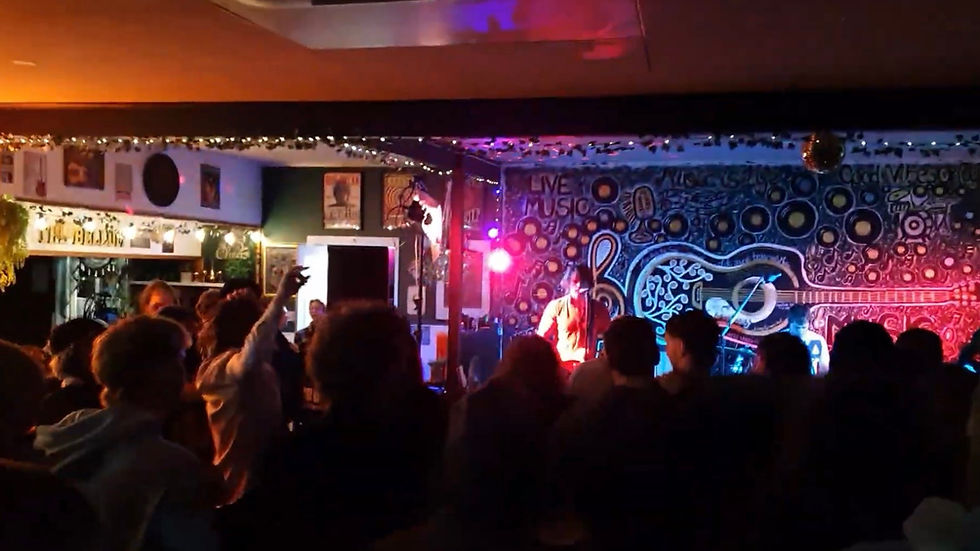
The room becomes a community, even for one night
One of the most moving things about live music is how quickly a room can become a small community. People who arrived separately start moving together. Strangers offer a better view. Someone lets another person squeeze past without drama. A group at the front teaches the chorus to someone hearing the artist for the first time.
These are small acts, but they matter. They remind people that public life can still be warm.
At a local show, the barrier between artist and audience is often thin. The singer may tell a story about the song. The guitarist might recognise friends in the crowd. The support act may be selling merch after the set. The person taking tickets might also play bass in another band next week. This closeness is part of the charm.
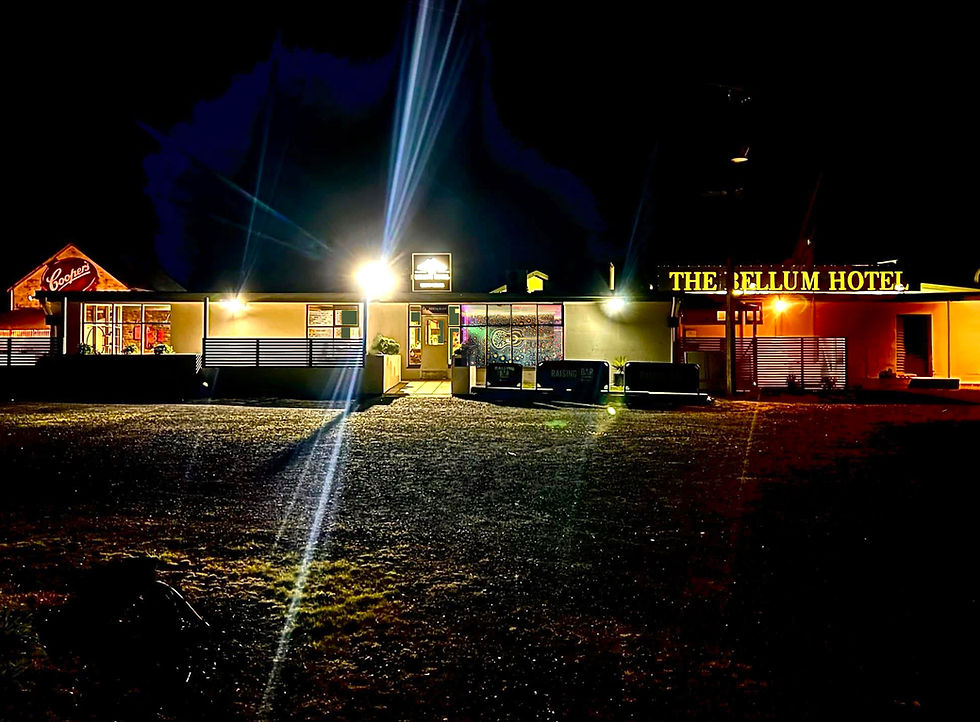
A venue like Bellum Backroom, and countless small rooms like it around the country, can become more than a place to hear music. It can become a meeting point. A place where regulars bring new friends. A place where artists test new songs. A place where people feel seen, even if nobody knows their whole story.
That sense of community is not limited to cities. In regional Australia, live gigs can play an even bigger role. When an original artist comes through town, a show can become a reason for people to gather across age groups and social circles. It can bring energy to local hospitality venues, give young musicians a glimpse of what is possible, and remind regional audiences that culture does not only happen in capital cities.
Music scenes grow through repetition. One good night leads to another. A person who came for the headliner discovers the opener. A teenager sees someone from their own town on stage and thinks, maybe I could do that too. A venue takes a chance on more original programming because the crowd showed up.
Community is built in these modest, repeated ways.
Concert-goers carry the feeling home
The emotional benefits of live music often become clear in the stories people tell afterwards. The following are composite reflections based on common experiences shared by concert-goers. Names and details are general, but the feelings will be familiar to anyone who has found comfort in a song from the stage.
“I almost didn’t go because I was exhausted. I had been anxious all week and thought I would feel worse in a crowd. Then the first support act started, and I felt my shoulders drop. By the end of the night, I was singing with people I had never met. I went home tired, but in a good way.”
That kind of shift is common. The hardest part can be leaving the house. Once there, the shared focus of the gig can make the world feel less sharp.
Another concert-goer might describe a different kind of relief:
“I saw a local artist play a song about losing someone, and it said what I hadn’t been able to say. I cried, but I didn’t feel embarrassed. Everyone was quiet. It felt like the whole room understood.”
Live music gives grief a container. It does not fix the loss, but it can make it feel held for a few minutes. That is no small thing.
There are joyful stories too:
“My friend dragged me to a show where I didn’t know any of the songs. Halfway through, I realised I was dancing. I hadn’t danced in months. I forgot how much I needed that.”
Joy can sneak up at a gig. It might come through a bassline, a ridiculous stage joke, a chorus that lifts, or the sight of other people letting themselves be happy. In a culture that often treats rest and pleasure as rewards to be earned, live music offers a different message. Joy is part of staying well.
Then there is the afterglow. People talk about it on the walk to the car, on the train home, over late-night chips, or the next morning when a lyric keeps returning. A strong performance can change the texture of a week. It gives people something to look forward to before the show and something to carry afterwards.
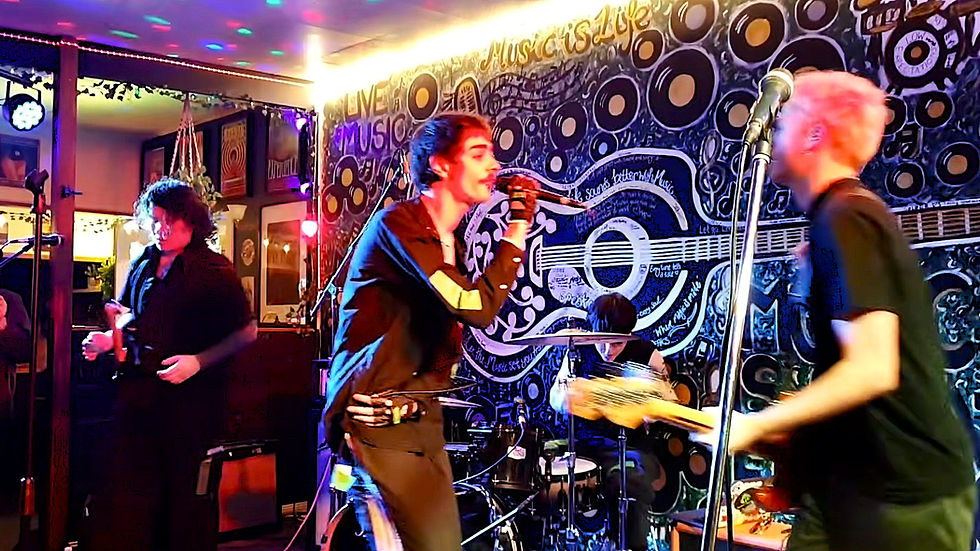
Supporting artists keeps the whole ecosystem alive
Original music needs more than applause. It needs practical support. Not everyone can spend money every week, and support looks different for different people. Still, small actions add up.
Buying a ticket is the clearest way to help. Pre-sale tickets are especially useful because they give venues and artists confidence that a show will work. Bringing a friend helps too, especially someone who might not usually see local original music.
Merch is another direct form of support. A shirt, record, tote, or download can put money into an artist’s pocket more directly than many other channels. If money is tight, there are still meaningful ways to contribute. Tell someone about the gig. Add the artist to a playlist. Follow their tour dates. Thank them after the set. Share the event in a personal message to a friend who would genuinely enjoy it.
Venues also need care from audiences. A live music room is a fragile thing. It deals with bookings, sound limits, staffing, equipment, insurance, artist fees, and the unpredictable nature of ticket sales. When people choose original gigs, they help keep stages available for the next songwriter, band, producer, MC, or experimental act.
There is also a cultural effect. Strong local audiences encourage more diverse line-ups. They make room for First Nations artists, artists with disabilities, culturally diverse musicians, disabled performers, young acts, older acts, and musicians working outside easy categories. The stronger the support, the richer the scene becomes.
A healthy music culture does not happen by accident. It is made by people who decide that local art is worth leaving the house for.
Live performance enriches life because it cannot be repeated
Part of the beauty of live music is that it disappears. The exact version of a song heard on a particular night will never happen again in quite the same way. The artist’s mood, the crowd’s energy, the sound of the room, the weather outside, the person standing beside you, all of it becomes part of the memory.
That impermanence gives live music its emotional force. It teaches presence. It asks people to pay attention now, not later.
Original Australian artists make that experience even more meaningful because they are speaking from here. Their songs grow out of the places people know, the issues people face, and the humour and tenderness that shape Australian life. Supporting them is a way of saying that these voices matter. It is also a way of caring for ourselves and each other.
When a community supports live original music, it creates more places where people can feel connected, moved, surprised, and restored. It gives artists the chance to keep making work that helps others make sense of being alive. It gives audiences a reason to gather for something real.
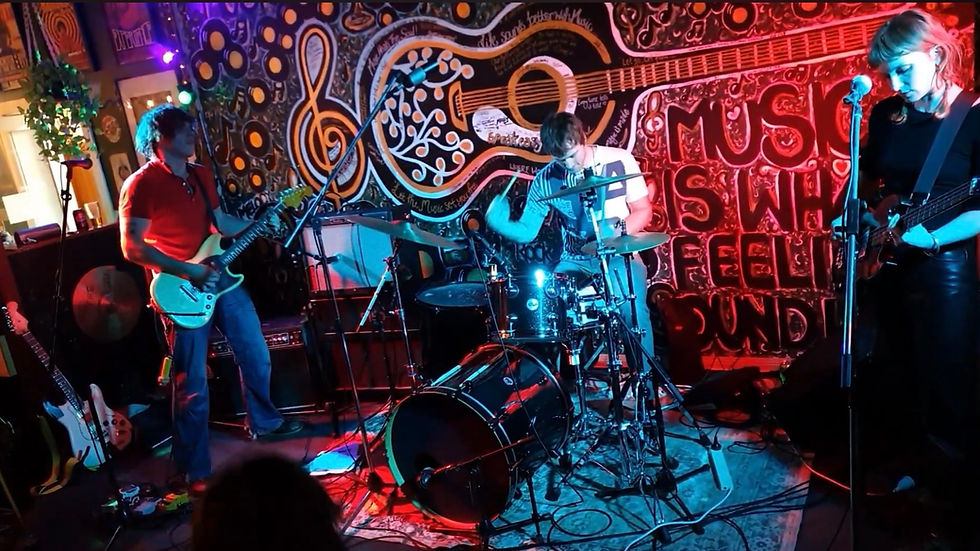
The next time an original Australian artist plays nearby, it may be tempting to stay home. Life is busy. Money is tight. Energy can be low. But if it is possible, go. Take a friend. Stand near the back if that feels easier. Listen to the opener. Buy the ticket early. Let the room do what rooms full of music can do.
You might leave with a new favourite song. You might leave feeling a little less alone. You might help an artist keep going.
And that is how a night out becomes something bigger: a small act of care for culture, community, and the human spirit.

Comments