Why Small Town Pubs Matter More Than Ever for Community and Mental Health
A small town can lose a lot before the rest of the country notices. The bank goes. The post office cuts hours. The local footy club struggles for volunteers. The main street gets quieter. Then the pub starts closing two nights a week, and suddenly people realise that something deeper is slipping away.
In many country towns across Australia, the pub is not just a place to buy a beer. It is where farmers come in after a hard day, where tradies compare jobs, where families meet for a counter meal, where locals check on each other without making a big fuss about it. It is one of the last shared rooms a town has.
That is why the pressure on small town pubs matters. Rising costs, taxes, compliance rules, insurance, wages, power bills, and changing regulations are not abstract problems. They decide whether a community still has a warm light on at night.
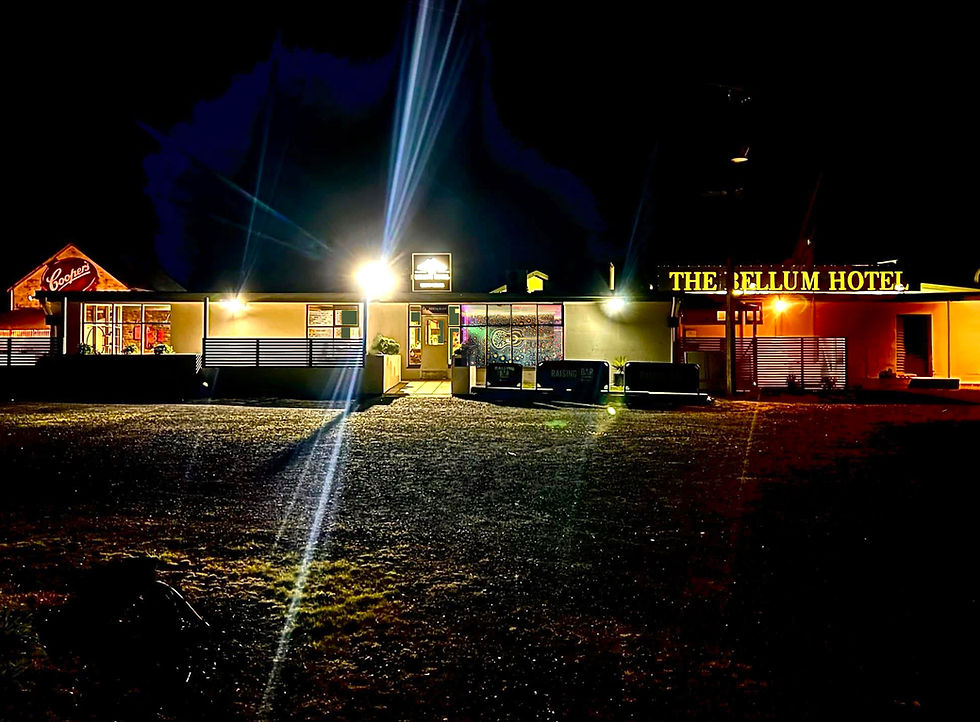
The pub is often the town’s shared lounge room
Small communities do not always have many places where everyone can mix. A pub does that better than almost anything else.
It welcomes the retired farmer, the new teacher, the shearer passing through, the young apprentice, the local nurse, the footy coach, the family celebrating a birthday, and the person who only wants to sit quietly near other people for an hour.
That mix matters. A town needs places where people bump into each other naturally. Not every conversation has to be deep. Not every visit needs a reason. Sometimes community is built through small, ordinary moments:
Someone asking how the crop is going.
A publican noticing that a regular has not been in for a while.
A raffle raising money for a local family, sporting club or school.
A wake where stories are shared and grief has somewhere to sit.
A Friday night meal where people feel less alone.
Live Music that can soothe the soul.
These are not extras. They are part of the social fabric that keeps towns going.
For many farmers and rural workers, the pub is one of the few places where work stops. On the land, the line between home and work can disappear. Drought, floods, livestock prices, interest rates, machinery breakdowns, and family pressure can all build quietly. A pub gives people a neutral place to breathe.
That is why pubs are essential to small town communities and farmers, is not just a slogan. It is a reality many country people understand without needing it explained.
Mental health support does not always look like a clinic
Mental health conversations often focus on services, professionals, and formal support. Those services are vital. Rural communities need better access to them, not less.
Still, informal support matters too.
A bartender is not a counsellor. A publican is not a doctor. A pub cannot replace proper mental health care. But in small towns, the first sign that someone is struggling is often noticed by people who see them week after week.
A local might stop coming in. They might drink more than usual. They might stop talking. They might look worn down after a tough season. In a bigger city, that person can disappear into the crowd. In a small town, someone might notice.
That quiet noticing can be powerful.
A simple “How are you travelling?” can open a door. A publican might suggest a lift home, call a family member, or encourage someone to talk to a GP. A mate might sit beside someone for half an hour and help them get through the night.
None of this is formal mental health care, and it should never be treated as a replacement for it. But connection is a protective factor. Human beings cope better when they feel seen, known, and included.
If someone is in immediate danger in Australia, call `000`. For crisis support, Lifeline is available on `13 11 14`. This article is general community commentary, not medical advice.
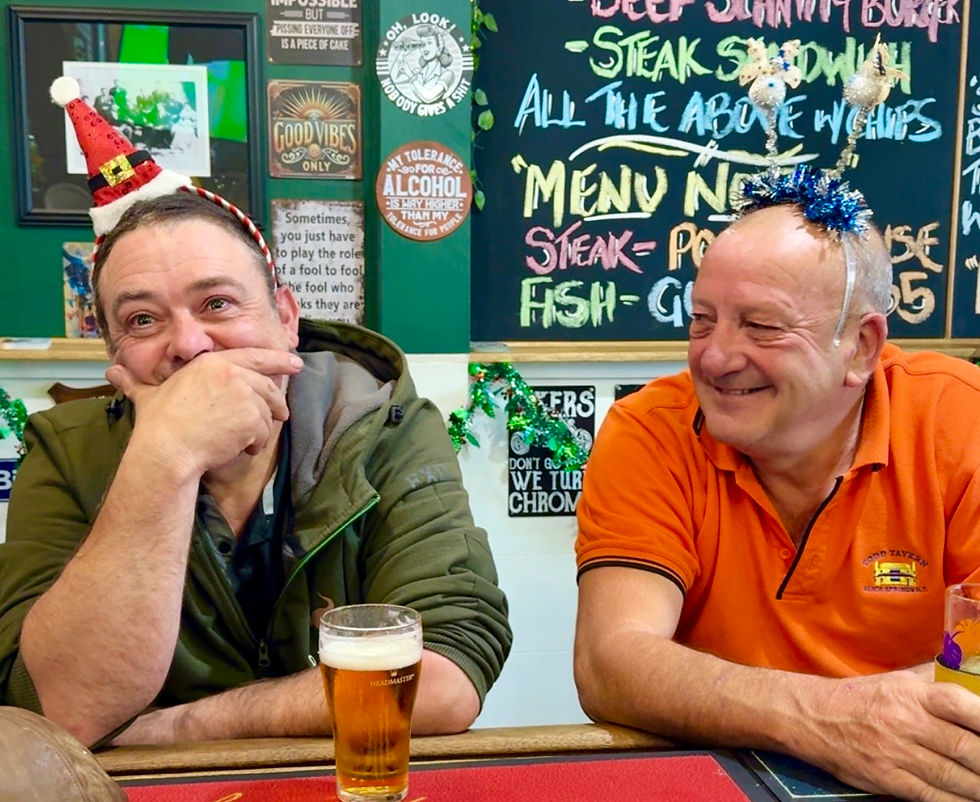
Small town pubs carry costs that outsiders rarely see
Running a pub in a capital city is hard enough. Running one in a small town can be even harder because the margins are thinner and the customer base is smaller.
A city venue might have thousands of people walking past each week. A country pub may depend on locals, seasonal workers, tourists, and weekend trade. If the harvest is bad, if fuel prices rise, if a road closes, if families tighten spending, the pub feels it straight away.
The costs do not wait for a good season.
Power bills still arrive. Insurance still rises. Repairs still need doing. Staff still need to be paid fairly. Stock still has to be bought, even if fewer people come through the door. Older buildings need constant maintenance. Refrigeration, kitchens, fire safety, accessibility, and responsible service rules all cost money to manage.
Many of these rules exist for good reasons. Communities need safe venues. Staff deserve safe workplaces. Alcohol must be served responsibly. No serious publican argues against safety.
The problem is balance.
When rules are written far away from the towns they affect, they can miss the reality on the ground. A requirement that seems simple in an office may cost a small venue thousands of dollars. A new fee may be manageable for a large hospitality group but painful for a family-run pub that keeps the lights on through long hours and unpaid effort.
For small pubs, the burden often comes in layers:
Licensing conditions that take time and money to meet.
Compliance paperwork that pulls owners away from customers.
Tax settings that do not reflect small-town trading conditions.
Penalties and fees that hit hard after one quiet month.
Grants or support programs that are too complex for busy operators to access.
The result is frustration. Publicans can feel like they are treated as a problem to be managed rather than a community asset to be supported.
The rules should protect communities, not drain them
There is a growing sense among many small operators that some rules do not help the community as much as they claim to. They create fees, paperwork, and costs, while the promised support never seems to reach the people doing the work.
That feeling should not be dismissed.
When governments introduce measures in the name of safety, health, or public order, they need to ask a basic question: will this improve life in small towns, or will it push another local business closer to closing?
If a rule makes sense for a major entertainment district, it may not make sense for a pub that serves meals to the same fifty locals every week. If a system assumes every venue has admin staff, legal help, and spare cash, it will fail small operators before they even begin.
This is where country pubs need a fairer deal. The call is not for no rules. It is for smarter rules.
Small town pubs need:
Clearer guidance written in plain English.
Lower compliance costs for low-risk venues.
Real consultation with regional publicans before rules change.
Support that recognises community value, not just business turnover.
Faster help when disasters, droughts, or sudden road closures cut trade.
Licensing and tax settings that understand thin margins.
The message from many country towns is simple: government need to help more, not by adding another slogan or photo opportunity, but by making it easier for essential community venues to survive.
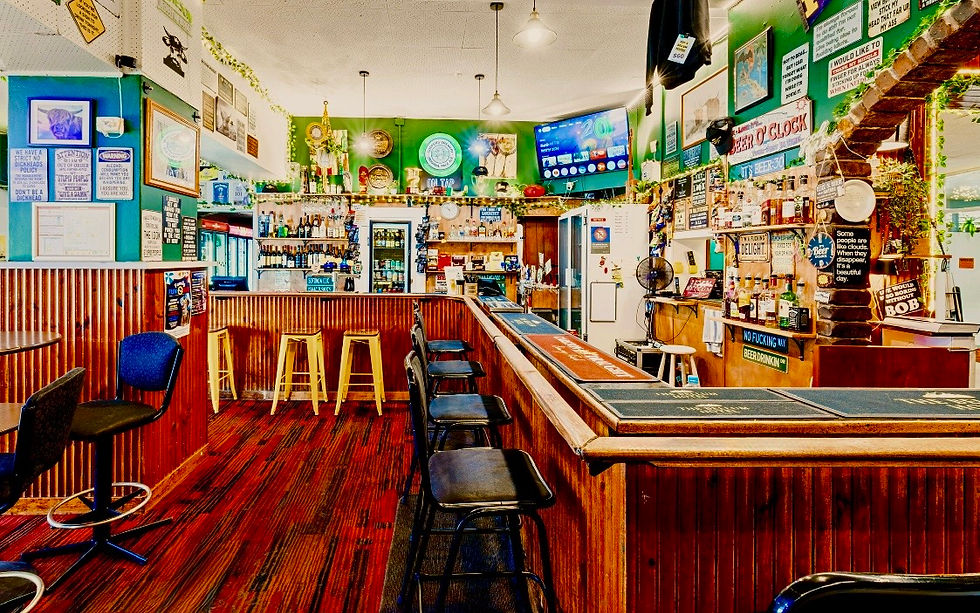
When a pub closes, the whole town feels it
The loss of a pub is rarely just about one business shutting its doors. It changes the rhythm of a town.
There is one less place for visitors to stop. One less employer for local staff. One less sponsor for the junior footy team. One less venue for the Christmas party, the funeral wake, the trivia night, the fundraiser, the live music gig, the darts comp, or the Sunday lunch.
It can also affect other businesses. Travellers who might have stayed for a meal keep driving. Local producers lose a customer. Tradies lose work. Community groups lose a meeting place. Young people lose a casual job close to home.
Then there is the emotional loss. A pub holds memories. People remember their first legal drink, their wedding reception, the night the town celebrated a grand final win, the wake after a hard goodbye, the counter meal after a long shift, the old character who sat in the same spot for years.
Those memories cannot be replaced by an online group chat or a takeaway bottle shop. Digital connection has its place, but it does not do what a real room does. It does not let people read each other’s faces, hear the tone in someone’s voice, or notice when a mate is not themselves.
A small town without gathering places becomes quieter in ways that are hard to measure but easy to feel.
Supporting pubs means supporting responsible community life
Defending small town pubs does not mean ignoring harm linked to alcohol. Alcohol can cause real damage when it is misused. Responsible service, safe transport, staff training, and community standards all matter.
Good local pubs know this. They are often the ones managing risk in practical ways. They know who should not be served another drink. They know who needs a lift. They know which situations need calming down early. They know the difference between a good night and a dangerous one.
Local responsibility works best when publicans, police, health workers, councils, and community groups can talk honestly. Punishing venues with blanket rules can damage that trust. Supporting them to run safer, healthier spaces can help everyone.
A strong pub culture does not have to be built around heavy drinking. Many small town pubs already offer much more than alcohol:
Affordable meals.
Coffee and soft drinks.
Family areas.
Live music.
Community raffles.
Charity events.
Local noticeboards.
Sport screenings.
Safe places for travellers to stop.
The best pubs are not just selling drinks. They are hosting community life.
What real support could look like
If governments are serious about regional mental health, local economies, and community resilience, small town pubs should be part of the conversation.
Support does not have to mean handing out money without accountability. It can mean designing systems that understand what these venues do.
Practical help could include targeted relief during drought, flood, fire, or major road disruptions. It could include simpler grant applications for small operators who do not have time to wade through complex forms. It could include rate relief, reduced red tape for low-risk venues, help with energy upgrades, and better regional transport options so people can get home safely.
It could also mean treating publicans as local stakeholders. When policy makers discuss regional wellbeing, the people who operate pubs, clubs, halls, cafes, and local shops should have a seat at the table. They see what is happening in town long before it appears in a report.
Small town publicans are often unpaid social workers, event organisers, tourism ambassadors, cleaners, cooks, conflict managers, comedians, problem solvers, babysitters, fundraisers and listeners. They carry more than most people realise.
If the country wants strong regional communities, it needs to value the places where those communities gather.

Small towns need more than survival
The future of small-town pubs should not depend on publicans burning themselves out to keep doors open. Nor should it depend on communities accepting fewer services every year until there is almost nothing left.
Australia asks a lot from regional towns. They grow food, raise livestock, move freight, fight fires, host travellers, care for land, and keep local traditions alive. Those towns deserve more than memories of what they used to have.
A pub will not fix every problem. It will not replace mental health funding, fair farm prices, working roads, decent housing, or access to doctors. But it can help hold people together while they face those challenges.
That is why small town pubs matter more than ever. They are one of the few remaining places where people can walk in, be recognised, share a meal, hear a laugh, talk through a hard day, and feel part of something.
If we make it too hard for them to survive, we should not be surprised when our towns feel lonelier, colder, and less connected. Supporting small town pubs is not about protecting an old habit. It is about backing the communities that still gather inside them.
Thank you
Publican - Meg Black

Comments