Why Live Music Venues Need Your Support Now

There is a point where frustration turns into fear.
A venue can love live music, back new artists, offer free entry, keep the stage open, take the financial hit, and still look out across the room on gig night and see almost no one there. Not because the band is ordinary. Not because the night lacks heart. Not because people do not say they care.
Because people do not turn up.
That is the part that hurts. Every town wants live music. Every music lover talks about how sad it is when venues close. Everyone has a story about the local band they saw before they blew up, or the room that gave them their best nights out. Yet too often, when emerging artists actually take the stage, the room is half empty or worse.
Money is tight. We get it. Rent is up. Food is up. Fuel is up. People are tired. But when a venue puts on a free entry show, books artists it believes in, pays staff, keeps the lights on, and still cannot get people through the door, the whole thing starts to feel impossible.
Live music does not survive on good intentions. It survives when people walk in.

A venue cannot run on applause that never arrives
Booking a gig is not as simple as putting a band on a stage and hoping for the best. Even a small night carries real costs.
Before anyone plays a note, a venue may need to cover:
Sound staff
Bar staff
Security where required
Cleaning
Power
Public liability insurance
Music licensing
Equipment upkeep
Promotion materials
Artist payments or guarantees
Repairs to gear, rooms, toilets, lights, doors, and everything else people use
That is before the venue pays rates, bookkeeping, compliance costs, waste collection, stock, EFTPOS fees, and all the invisible expenses that come with opening the doors.
When entry is free, the risk sits heavily with the venue. If people show up, buy a drink, grab a snack, or even just create a full room that makes the night feel alive, the venue has a chance. If they do not, the loss lands hard.
A free gig is not a free gig for the venue. It is a gift to the community, paid for by someone else, us, the live music venue!
That does not mean every person must spend big. It does mean attendance matters. A room with bodies in it gives the band energy, gives the staff a reason to be there, and gives the venue a reason to book the next show.
Emerging artists need rooms that will take a chance on them
Big artists do not arrive fully formed. They start somewhere.
They start in small rooms, playing to curious strangers. They test songs that are not perfect yet. They learn how to hold a crowd, fix a broken string, push through nerves, and recover when the monitors sound weird. They build the muscles that make a live performer great.
No algorithm can replace that. No streaming platform can teach a singer how to read a room. No bedroom recording can give a drummer the feeling of locking in with a crowd standing three metres away.
Small venues are where artists get better in public.
They are also where audiences find something real. Not polished. Not distant. Not packaged. A local gig gives people the chance to see talent close up, often before anyone else has noticed. Sometimes the band is rough around the edges. Sometimes they are brilliant. Often they are both, and that is the beauty of it.
When people do not attend these nights, emerging musicians lose more than a booking. They lose momentum. They lose confidence. They lose the chance to meet other artists, find fans, sell merch, and be invited back.
And venues notice. If an artist plays to an empty room, even when the music is strong, everyone involved has to ask a painful question: can we afford to do this again?
That is where the cycle breaks.
The “we love live music” line has to mean something
Lots of people love the idea of a live music venue.
They love knowing it exists. They love seeing photos from gigs. They love the cultural identity it gives a suburb or town. They love saying their area supports the arts.
But a venue is not protected by being liked. It is protected by being used.
There is a big difference between wanting live music nearby and helping it survive. One is a feeling. The other is an action.
If a venue closes, the grief is instant. People post memories. They say it was an institution. They say it is terrible for the local scene. They ask why councils, landlords, owners, or governments did not do more.
Some of those questions are fair. Venues do need practical support at many levels. Rising costs, noise complaints, development pressure, and complex rules all make things harder. But community support is still the foundation. A venue cannot fight every other pressure if the room is empty on gig night.
The most painful part is that the ask is often simple.
Come in. Stay for a set. Bring a mate. Listen. Clap. Buy something if you can. Say thanks to the band. Treat the room like it matters.
That may not sound heroic, but it is the difference between a stage that keeps operating and one that goes dark.
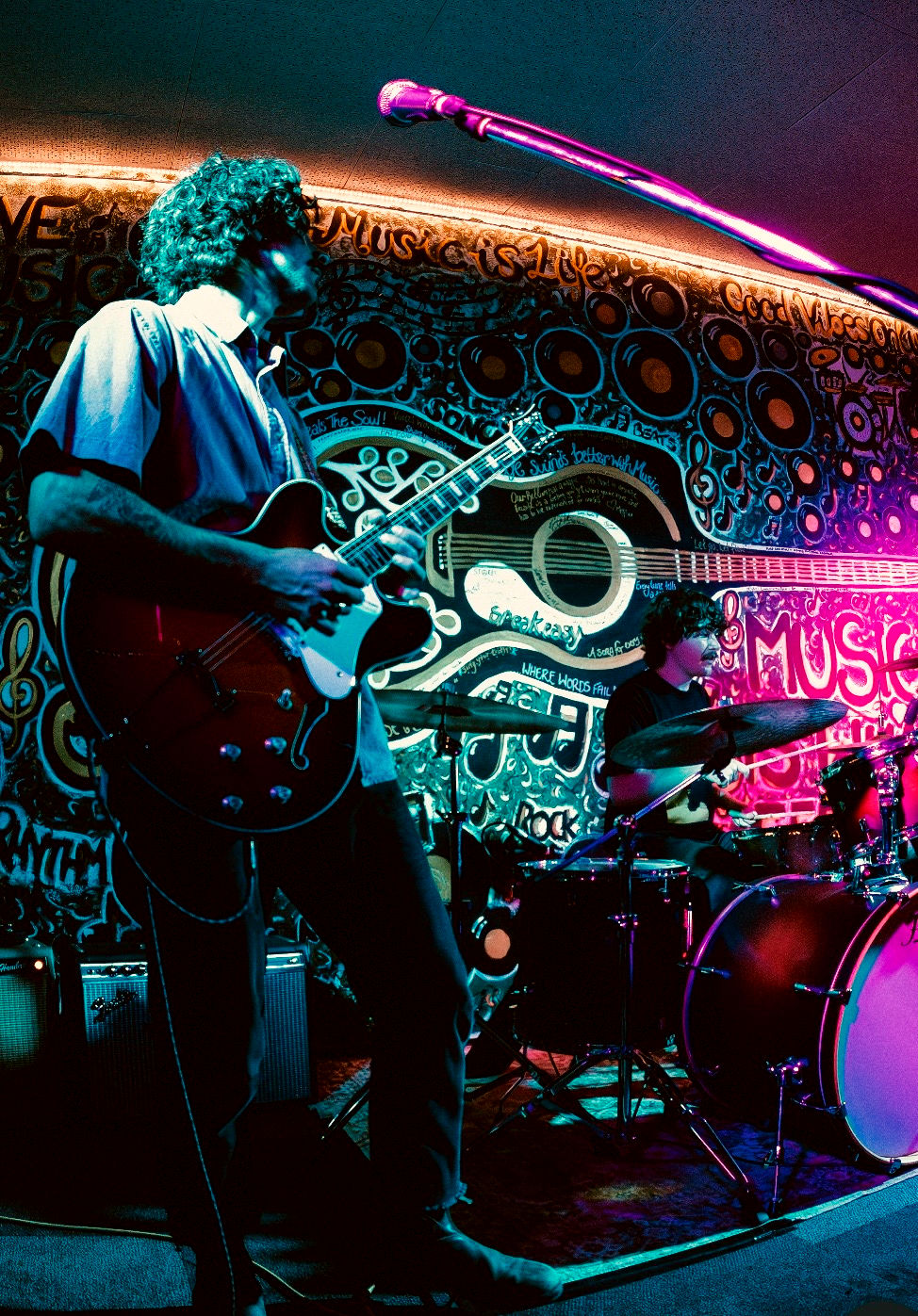
Free entry should not mean low value
There is a strange thing that happens with free shows. Because there is no ticket price, some people treat the night like it has no value.
They might click interested, say they will come, then stay home without thinking twice. They might assume someone else will be there. They might tell themselves it does not matter because they did not pay.
It does matter.
For the artist, the venue, and the staff, a free show still takes time, labour, and care. The band rehearsed. Someone made the poster. Someone set the room. Someone checked the microphones. Someone stocked the bar. Someone cleaned the floor before doors opened and will clean it again after everyone leaves.
Free entry is supposed to remove a barrier. It is not supposed to turn the night into background noise.
A $0 ticket can still carry value. It can mean access. It can mean generosity. It can mean a venue is trying to make live music available to people who cannot afford ticketed events right now.
That only works if people respect the offer.
If money is the issue, free entry helps. If time and energy are the issue, that is real too. No one can attend everything. No one should feel guilty for needing rest. But if a community repeatedly says it wants live music and then does not support even the free nights, the outcome is predictable.
The shows stop.
Showing up helps more than most people realise
A person walking into a venue might think they are just one body in the room. To a small venue, that one person counts.
A few extra people can change the whole feel of a night. The band plays harder. The room sounds better because there is feedback from actual humans, not just empty space. The staff feel the shift. The next person who walks in is more likely to stay because the place feels alive.
Support does not have to look flashy. It can be small and still matter.
Ways people can help without spending much:
Come for one set, even if staying all night is too much
Bring one friend instead of trying to organise a big group
Buy a soft drink, a beer, or a bowl of chips if the budget allows
Buy merch directly from the artist when possible
Tell the band you enjoyed the set
Take a real interest in the names on the bill
Return for another show, especially when the venue books new acts
The most useful support is consistent. Not every week. Not every show. Just often enough that the venue can see the community is still there.
A full room also creates memory. People remember the chaos, the singalongs, the weird support act that ended up stealing the night, the drummer who played like their life depended on it. Those moments do not happen when everyone waits for someone else to go first.
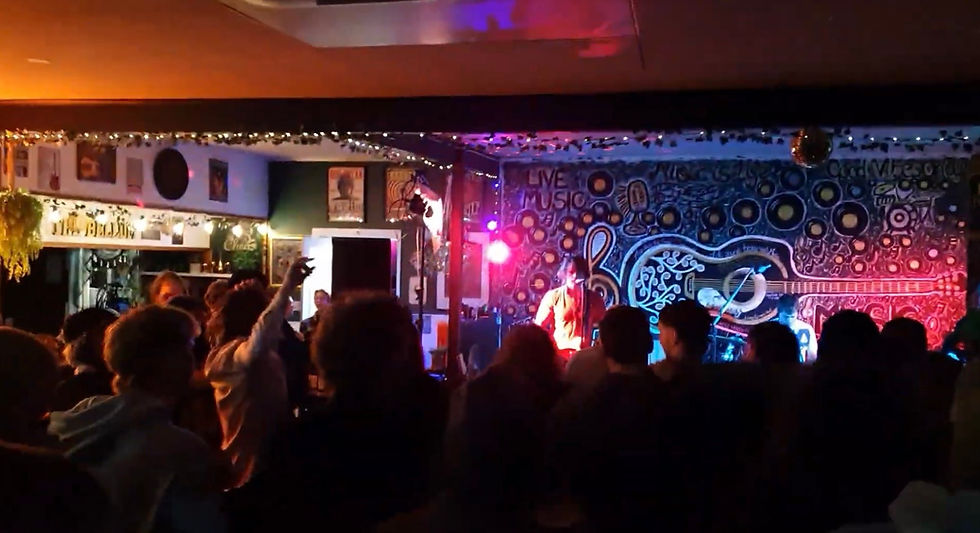
The cost of losing venues is bigger than one closed room
When a live music venue shuts, the damage spreads.
Artists lose a stage. Sound engineers lose work. Bar staff lose shifts. Nearby late-night food spots lose customers. Touring acts have fewer places to play. Local music fans lose a place to gather. Young musicians lose a reachable goal.
The cultural cost is harder to count, but anyone who has lived through the loss of a venue feels it. A closed room takes stories with it. First gigs. Last gigs. New friendships. Awkward first dates. Songs heard before they were recorded. Nights that gave people a reason to stay in their own town instead of leaving to find culture somewhere else.
Australia has always had a strong live music identity, but that identity is not guaranteed. It needs rooms. It needs owners and bookers willing to take risks. It needs crowds willing to give unfamiliar artists a chance.
Once a venue is gone, it is rarely easy to bring it back. A stage can become a storage room, a restaurant, or apartments. The sound system gets sold. The staff scatter. The regulars find somewhere else, or they stop going out at all.
People often do not realise what they had until it disappears. By then, love is not enough.
Venues also need to be honest about the experience
This is not just a plea for blind loyalty. Venues have responsibilities too.
A good venue needs to make the experience worth leaving the house for. That means decent sound, clear set times where possible, a safe room, fair treatment of artists, respectful staff, and a space where people feel welcome.
If people are struggling financially, venues need to understand that a night out is a choice. Even free entry can still involve transport, food, babysitting, or drinks. A venue that wants support should also do the work to make nights feel accessible and genuine.
Good programming matters. So does variety. So does making new people feel like they have not walked into a private club where everyone already knows each other.
But none of that changes the basic truth: if the venue is putting in the work and the artists are putting in the work, the community has to meet them part of the way.
Support is a two-way relationship. The venue builds the room. The artists bring the music. The crowd brings the life.
Empty rooms send a message, even when no one means to
Most people who skip a gig are not trying to hurt anyone. They are tired. They forget. They assume it will be fine. They tell themselves there will be another one.
But empty rooms still send a message.
To the artist, it can feel like no one cares. To the venue, it says the risk may not be worth taking. To the next band hoping for a slot, it means there may be fewer chances.
That message becomes louder when it happens again and again.
The hard truth is that live music venues cannot keep absorbing losses forever. Passion helps, but it does not pay bills. Love for music helps, but it does not fix a broken speaker or cover a quiet bar. Community goodwill helps, but only when it turns into people through the door.
This is why support matters now, not later. Not when a closure notice goes up. Not when the final show sells out because everyone suddenly realises what is being lost. Now, while the stage is still there.
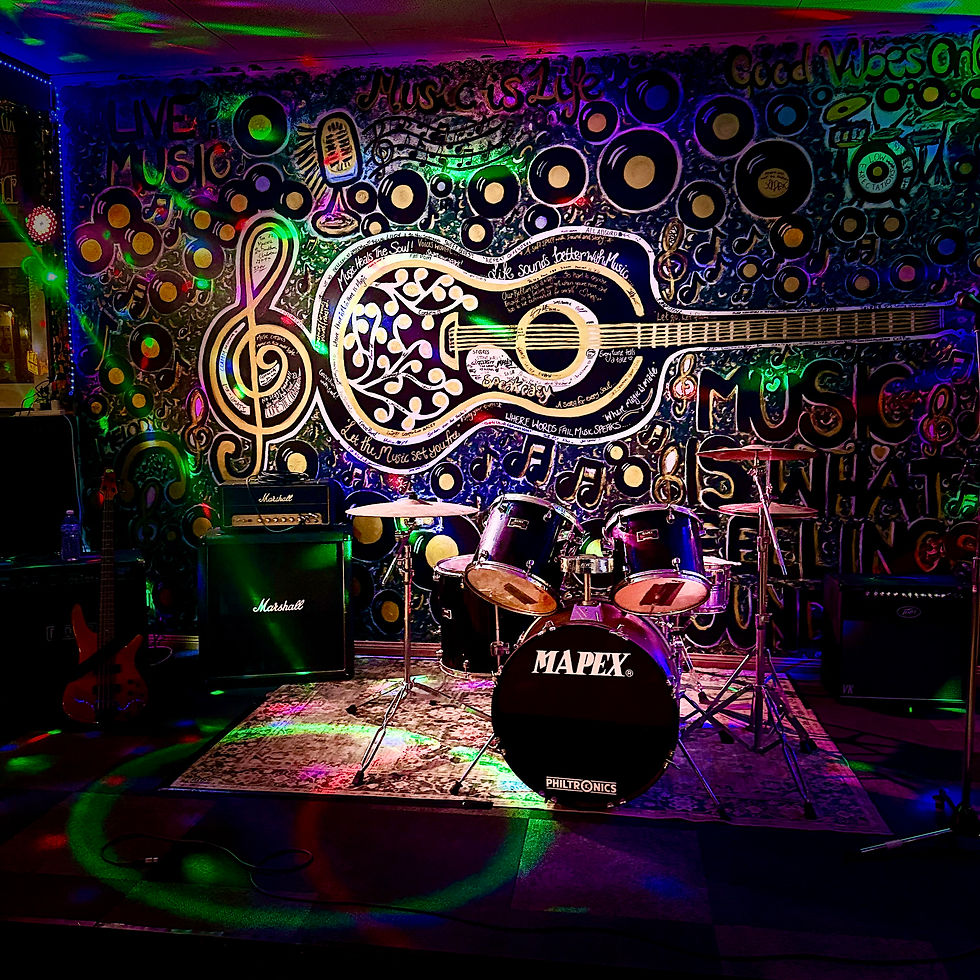
The ask is simple
No one is asking every person to attend every gig. No one is ignoring the cost-of-living pressure. No one expects people to spend money they do not have.
The ask is simpler than that.
If there is a free show nearby and the venue is doing the work to support emerging talent, go when you can. Stay for a while. Listen properly. Bring someone. Buy a drink if possible. Cheer for a band you have never heard before. Make the room feel like music belongs there.
Because this whole thing only works if people show up before it is too late.
Live music venues need support now because they are not abstract community assets. They are real businesses, real stages, real workers, and real artists trying to keep something valuable alive. If the community wants those rooms to exist, the community has to walk into them.
The stage is ready. The bands are ready. The door is open.
Please do not wait until the lights go out to prove the room mattered.
Comments